
Introduction to Keyword Research
Keyword research for SEO is the cornerstone of effective digital marketing. It involves identifying the terms and phrases that potential customers use to search for products, services, or information related to your business. By understanding and targeting these keywords, you can optimize your website content to rank higher on search engine results pages (SERPs), attract more traffic, and ultimately increase conversions. Smart keyword research strategies help you understand what your audience is searching for and how to position your content to meet their needs.
Understanding the Importance of Keyword Research
Effective keyword research allows you to:
- Understand your audience’s search behavior
- Identify high-traffic and low-competition keywords
- Create content that meets user intent
- Stay ahead of competitors in search rankings
Keyword Types to Strengthen Your Keyword Research Strategy
Keywords can be categorized based on their length and specificity:
Short-Tail Keywords
These are broad search terms, usually consisting of one or two words (e.g., “shoes”). They have high search volumes but are highly competitive and less targeted.

Long-Tail Keywords
These are more specific phrases, typically three or more words (e.g., “best running shoes for flat feet”). They have lower search volumes but higher conversion rates due to their specificity.
Step-by-Step Guide to Keyword Research for SEO
Step 1: Brainstorm Seed Keywords for Smart Keyword Research Strategies
Let’s explore some smart keyword research strategies that can help you find high-traffic, low-competition keywords and improve your SEO performance.
Step 2: Tools to Power Your Smart Keyword Research Strategies
Leverage various tools to expand your list of keywords, analyze search volumes, competition, and discover new keyword opportunities.
Top Tools for Keyword Research in SEO
To enhance your keyword research process, consider utilizing the following tools:

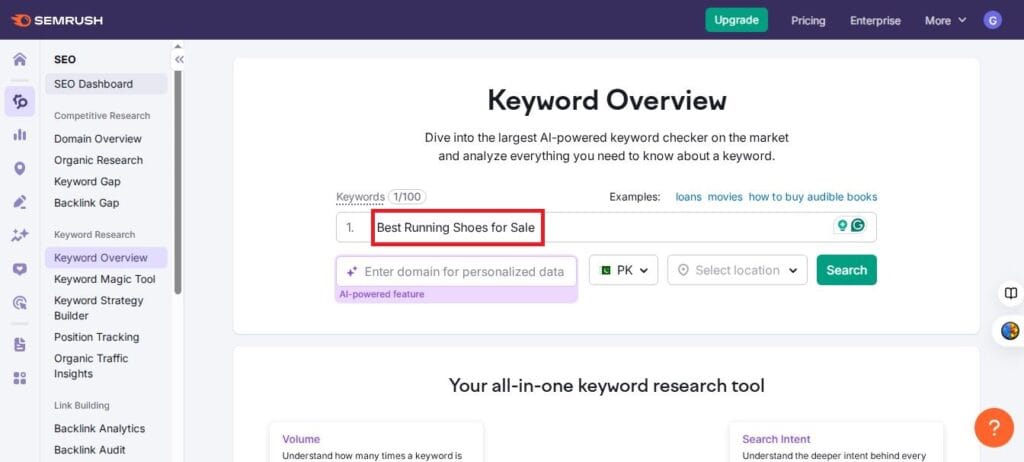
- SEMrush: A comprehensive SEO tool that offers in-depth keyword analysis, including search volume, keyword difficulty, and competitive analysis. Its Keyword Magic Tool provides a vast database of keyword suggestions, helping you identify the most effective keywords for your content strategy.
- Ubersuggest: Developed by Neil Patel, Ubersuggest is user-friendly and ideal for beginners. It provides keyword suggestions, search volume data, SEO difficulty scores, and content ideas. The tool also offers insights into competitors’ top-performing pages and backlink data.

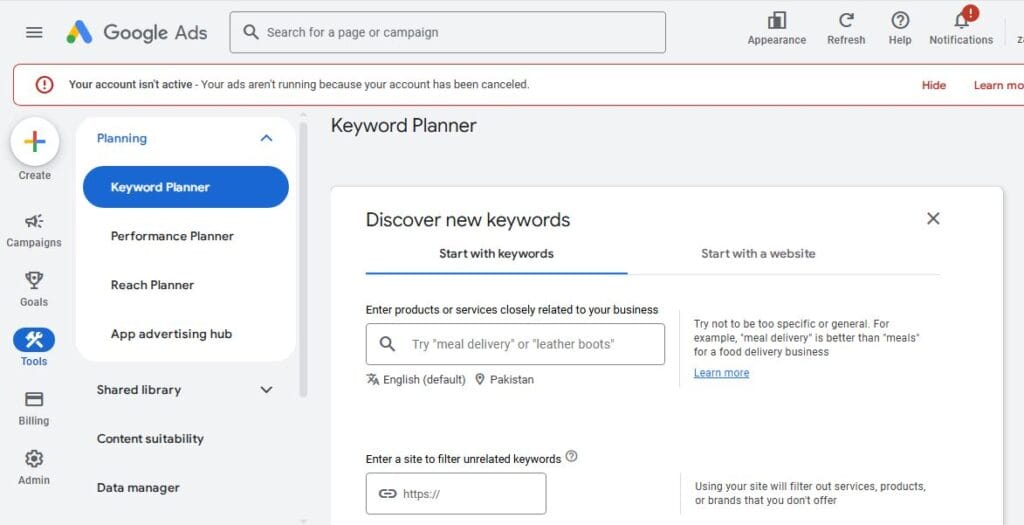
- Google Keyword Planner: A free tool by Google, Keyword Planner helps you discover new keywords and provides data on search volumes and competition levels. It’s particularly useful for planning Google Ads campaigns, but also beneficial for organic keyword research.
- Google Trends: Google Trends analyzes the popularity of search queries over time, allowing you to identify trending topics and seasonal fluctuations in keyword interest. This tool is valuable for creating timely and relevant content.

Analyzing and Selecting Keywords
When evaluating keywords, consider the following metrics:
- Search Volume: The number of searches a keyword receives.
- Keyword Difficulty: An estimate of how hard it is to rank for a keyword.
- Cost Per Click (CPC): Useful if you’re planning paid advertising campaigns.
- User Intent: Ensure the keyword aligns with what your target audience is seeking.
Implementing Keywords into Your Content
Once you’ve selected your target keywords, integrate them strategically into your website:
- Title Tags: Include primary keywords in your page titles.
- Meta Descriptions: Craft compelling descriptions with relevant keywords.
- Headings (H1, H2, H3): Use keywords in your headings to structure content.
- Body Content: Incorporate keywords naturally within the text.
- URL Slugs: Optimize URLs with pertinent keywords.
- Image Alt Text: Describe images using relevant keywords.
Monitor and Refine Your Keyword Research Strategy for SEO
SEO is an ongoing process. Regularly monitor your website’s performance using tools like Google Analytics and Google Search Console. Analyze which keywords are driving traffic and conversions, and adjust your strategy accordingly.
Coclusion: Mastering Smart Keyword Research Strategies
Keyword research is a fundamental aspect of SEO that requires continuous effort and adaptation. By understanding your audience, utilizing the right tools, and implementing keywords effectively, you can enhance your website’s visibility and achieve better rankings on Google.